Public space

Installations in public space

M

Mention

12

votes of the public
12

votes of the public

Daniel-Tudor Munteanu, Davide Tommaso Ferrando

Author(s) / Team representatives

Daniel-Tudor Munteanu, Davide Tommaso Ferrando

Profesia

architects

Colectiv/birou

Unfolding Pavilion

Co-autori/membrii echipei

Laurian Ghinițoiu (photography), Michele Galluzzo (logo), Alessandro Mason, Lucas Geiger (design)

Colaboratori externi

Ana Victoria Munteanu, Elisabeta Rabiniuc Mocanu, Marco Ballarin, Matteo Vianello, Noemi Biasetton

Locația proiectului

Venezia, Italy

Buget

2000

Dată început proiect

February 2023

Dată finalizare proiect

May 2023

Constructor

self built

Website

See Website

Credite foto

Laurian Ghinițoiu

Text de prezentare a autorului/biroului în limba engleză

Daniel-Tudor Munteanu is an architect and curator, co-founder of the Unfolding Pavilion and author of the research project OfHouses.com. Davide Tommaso Ferrando is an architecture critic, researcher and curator, co-founder of the Unfolding Pavilion and Research Fellow at the Faculty of Design and Art of the Free University of Bozen-Bolzano, as well as adjunct professor at Politecnico di Torino.

Descrierea proiectului în limba engleză

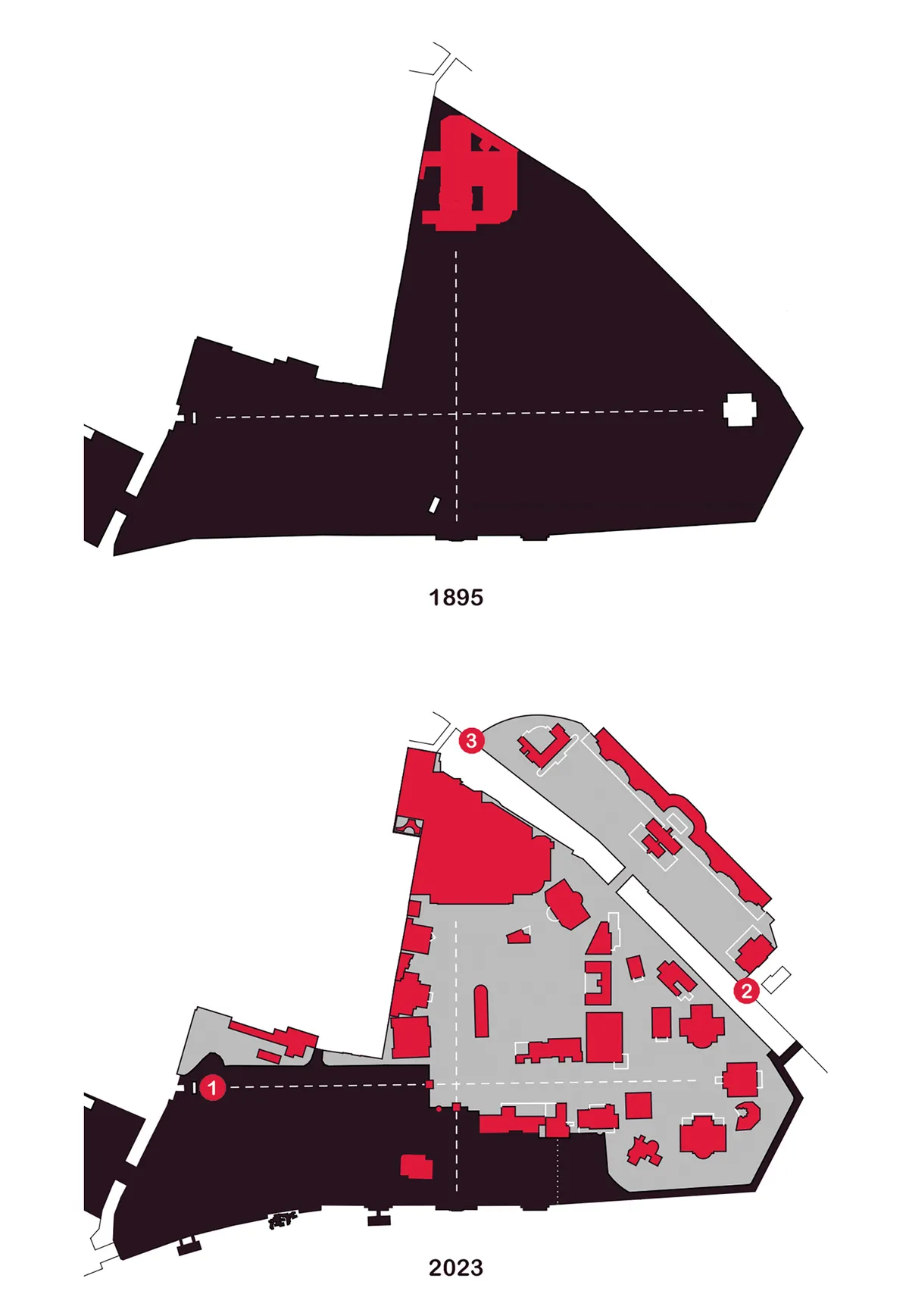
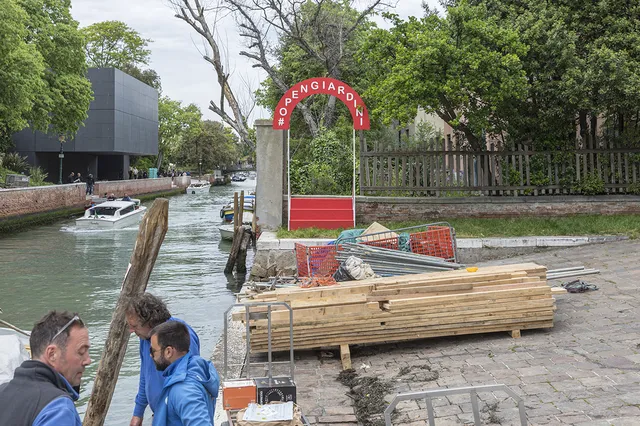
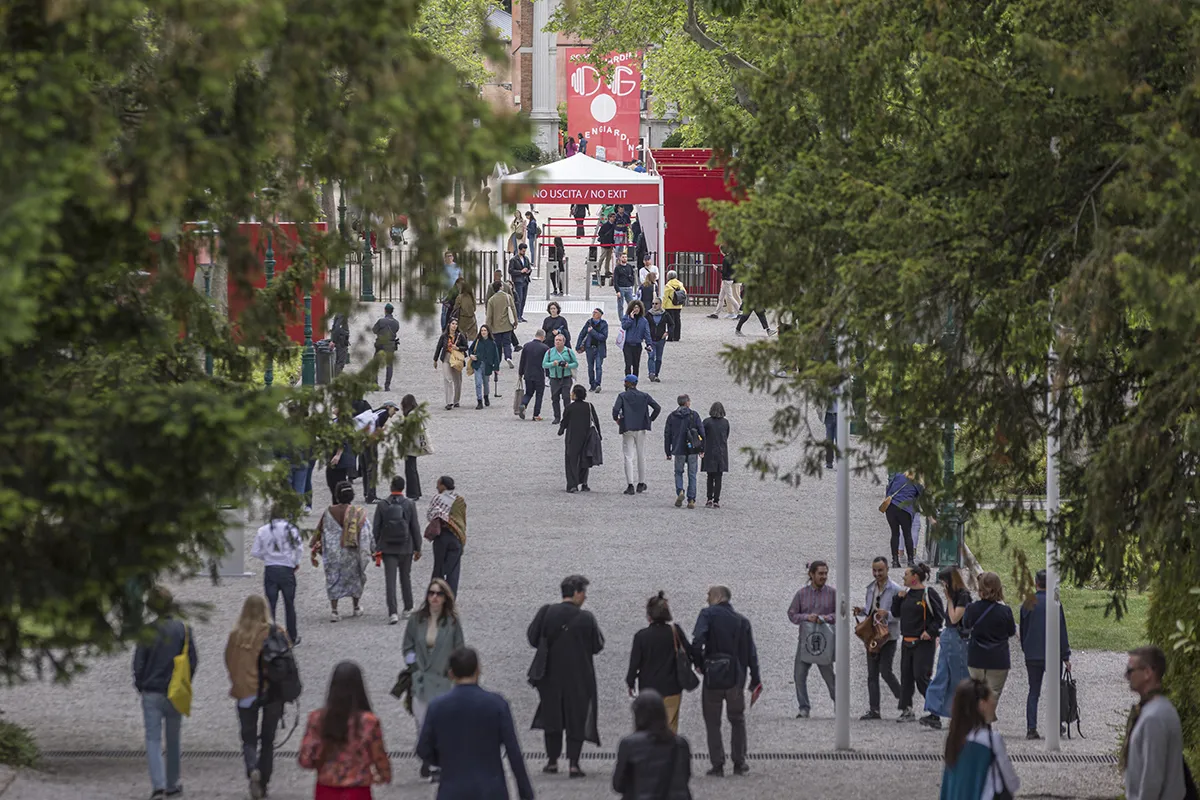
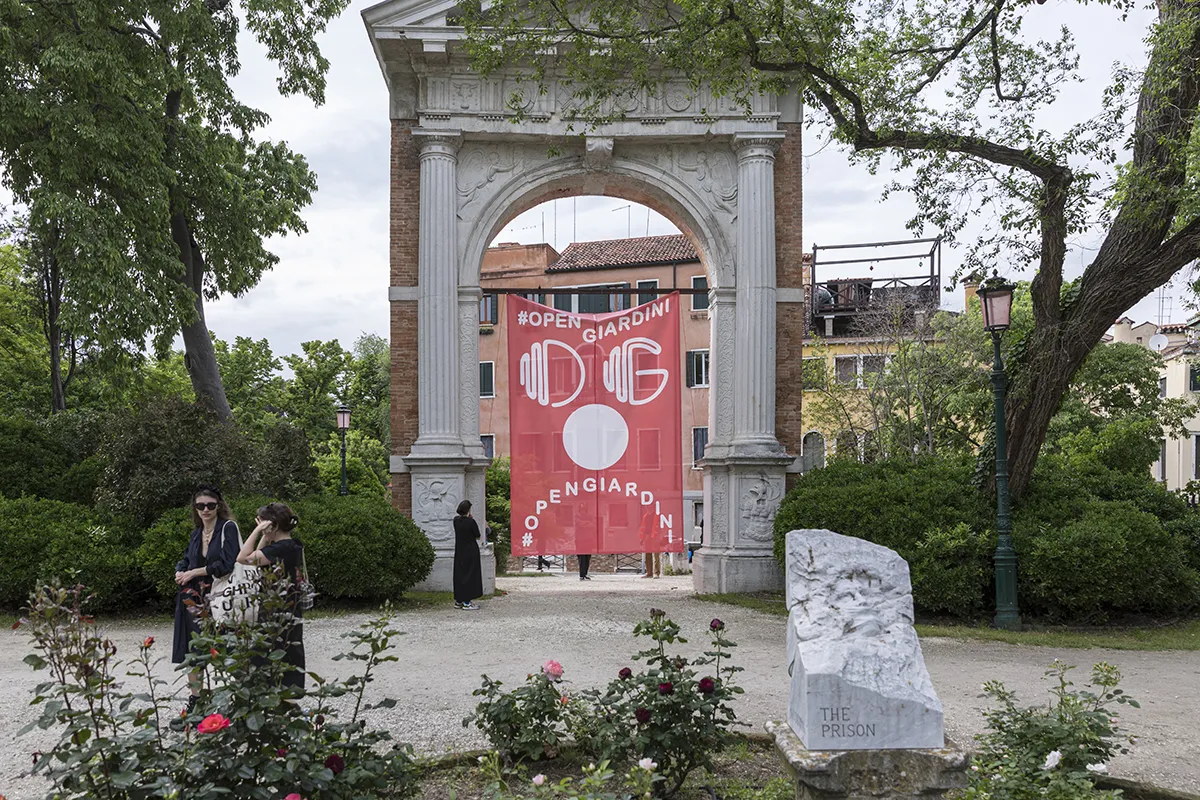
In 1807, Napoleon demolished a Venetian neighborhood to establish the city’s first public park. In 1895, the Biennale built the first permanent buildings in the Giardini Pubblici. Since then, the Biennale has restricted public access to two-thirds of the park. A decolonization Biennale should confront this century-old privatization of public space. The entire Giardini could be open for the half-year without exhibitions. However, gates, walls, fences, CCTV cameras, and armed guards block public access year-round. This paradox of a public space not open to the public is explored by the Unfolding Pavilion to address the Giardini's current and future use. We displayed #OPENGIARDINI on the great arch opposite the Biennale's entry and we staged unauthorized interventions in "weak" spots along the fortified perimeter. They were critical and funny, but they also provided more dignified access to those who anchor their boats in the Giardini and must cross its obstacles every day to get to work.