Text de prezentare a autorului/biroului în limba engleză
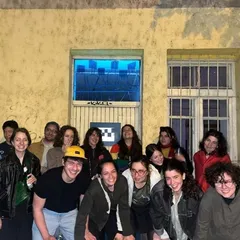
The Budapest Architecture Student Studio was established in 1996 with the aim of complementing the architectural education at the Budapest University of Technology and Economics and implementing a complex, international-standard form of education within the framework of a system based on self-education and able to constantly improve.
Our work is influenced by the perception that architecture is a complex genre, so we strive for a continuous exchange of ideas with other scientific and artistic disciplines. The Hungarian representation of the international organization EASA (European Architecture Students' Assembly).
Descrierea proiectului în limba engleză
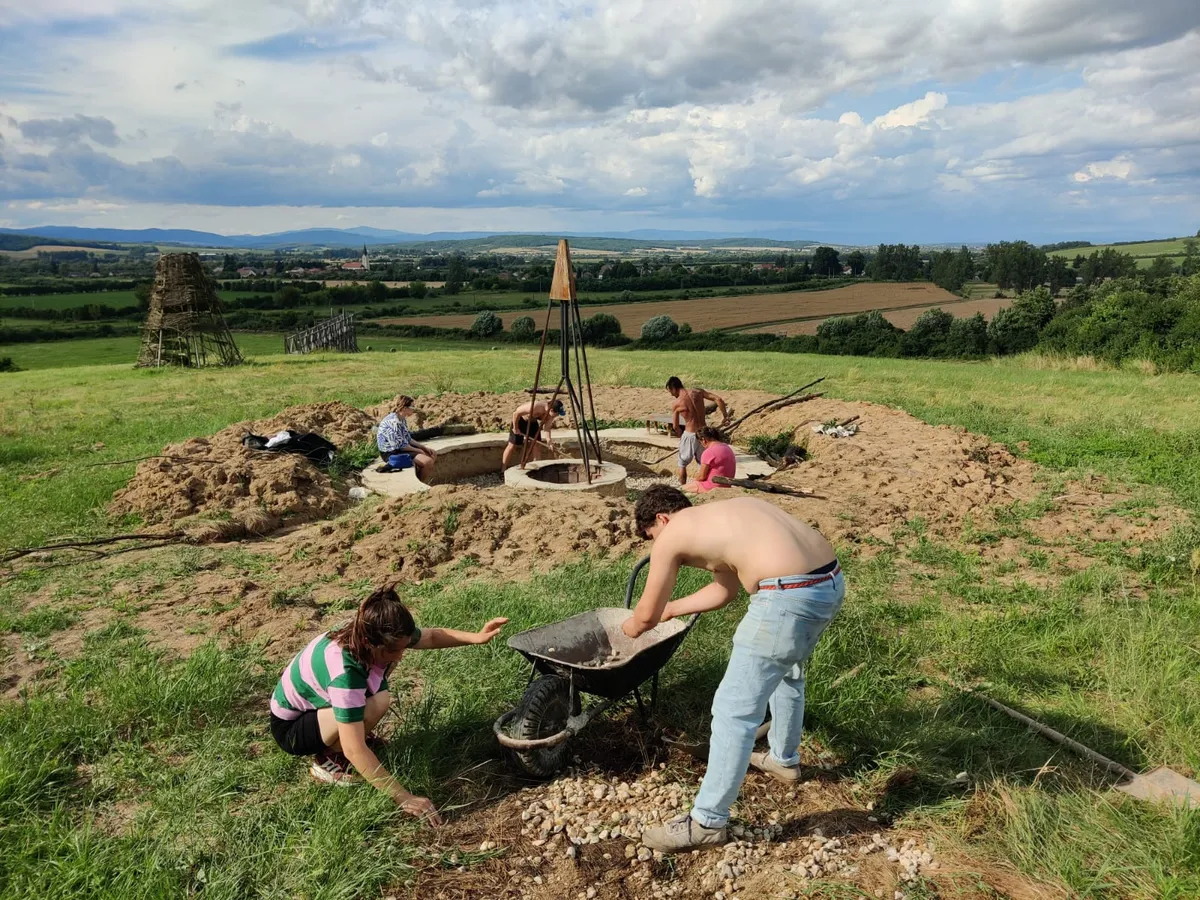
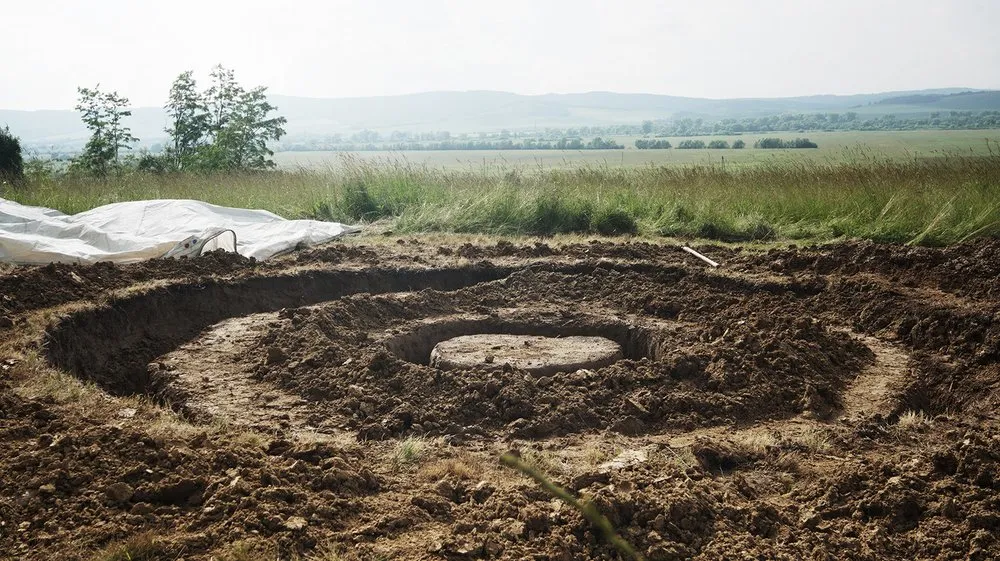
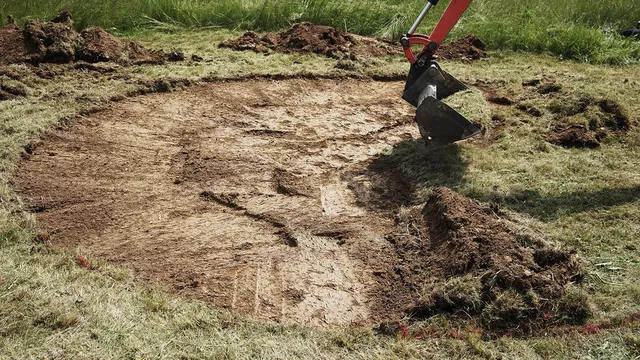
In 2023, the Budapest Architecture Student Studio was asked to respond to the theme of survival by designing and building a landscape installation in a field hidden among the fabulous hills of Nógrád.
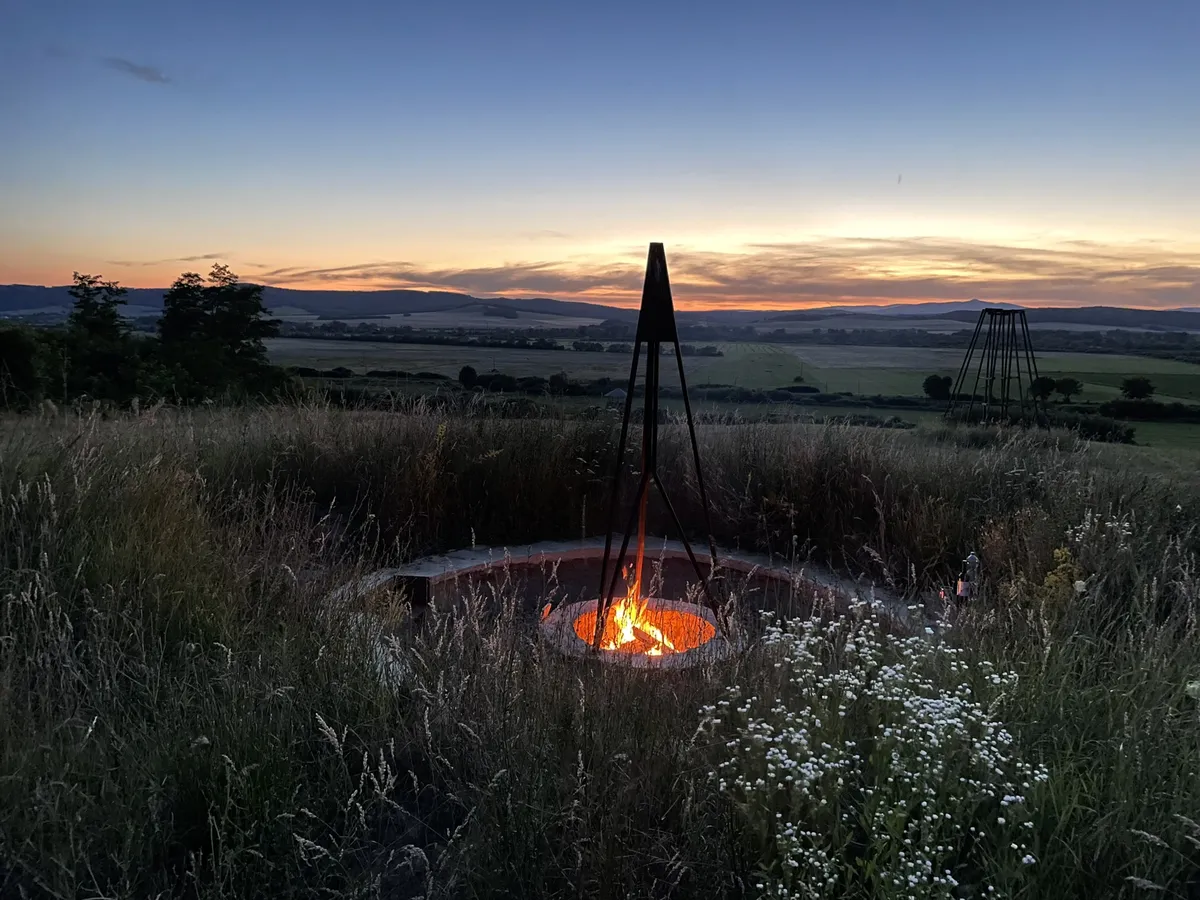
With our proposal, we provide a solution to the practical need to have a safe place to set fire on the hillside, and we deal with the underlying issues of fire, cooking, primitive communities and technologies.
According to our intention, the building is an object taken out of history, it does not reflect the time of its creation, its shape does not resemble and does not prompt interpretation. A find left behind by a fictitious culture, which, when dug out of the ground, the imprints of a forgotten primitive technology gradually become legible. As the wheel of time turns, nature takes possession of the building again, who knows how many years or centuries later it will surface again.