1/4
2/4
3/4
4/4
Photography
N
Nominee

Author(s) / Team representatives
Ștefan Costache
Descrierea proiectului în limba engleză
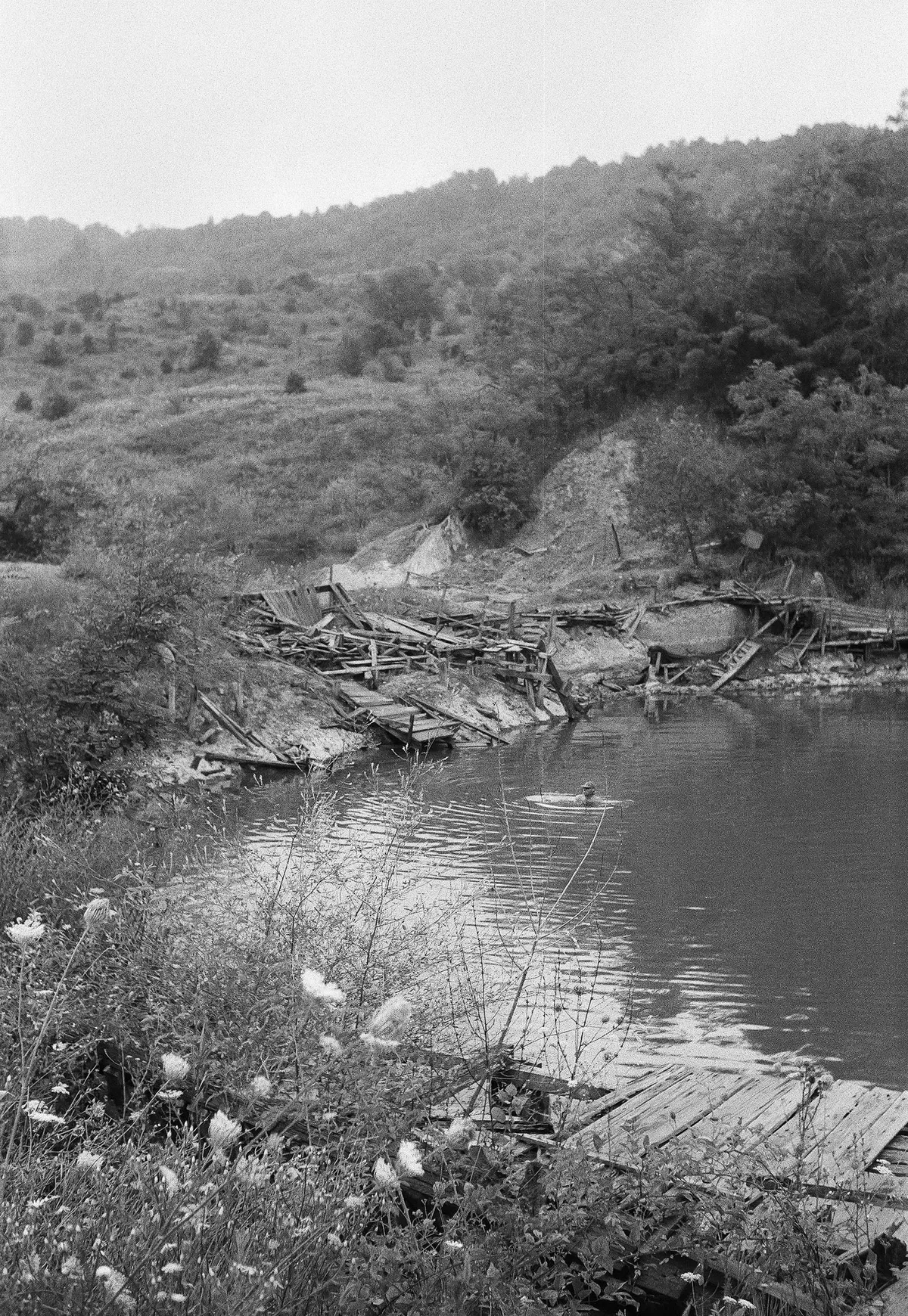
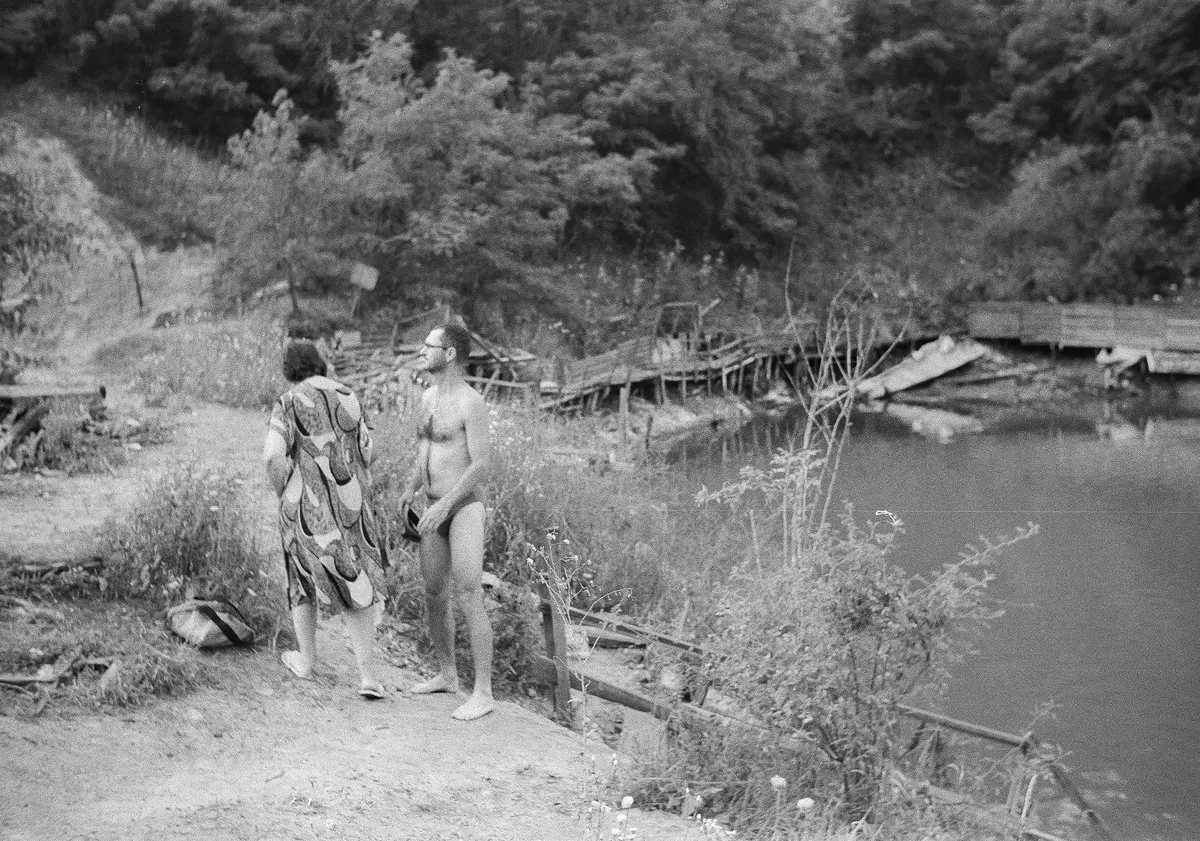
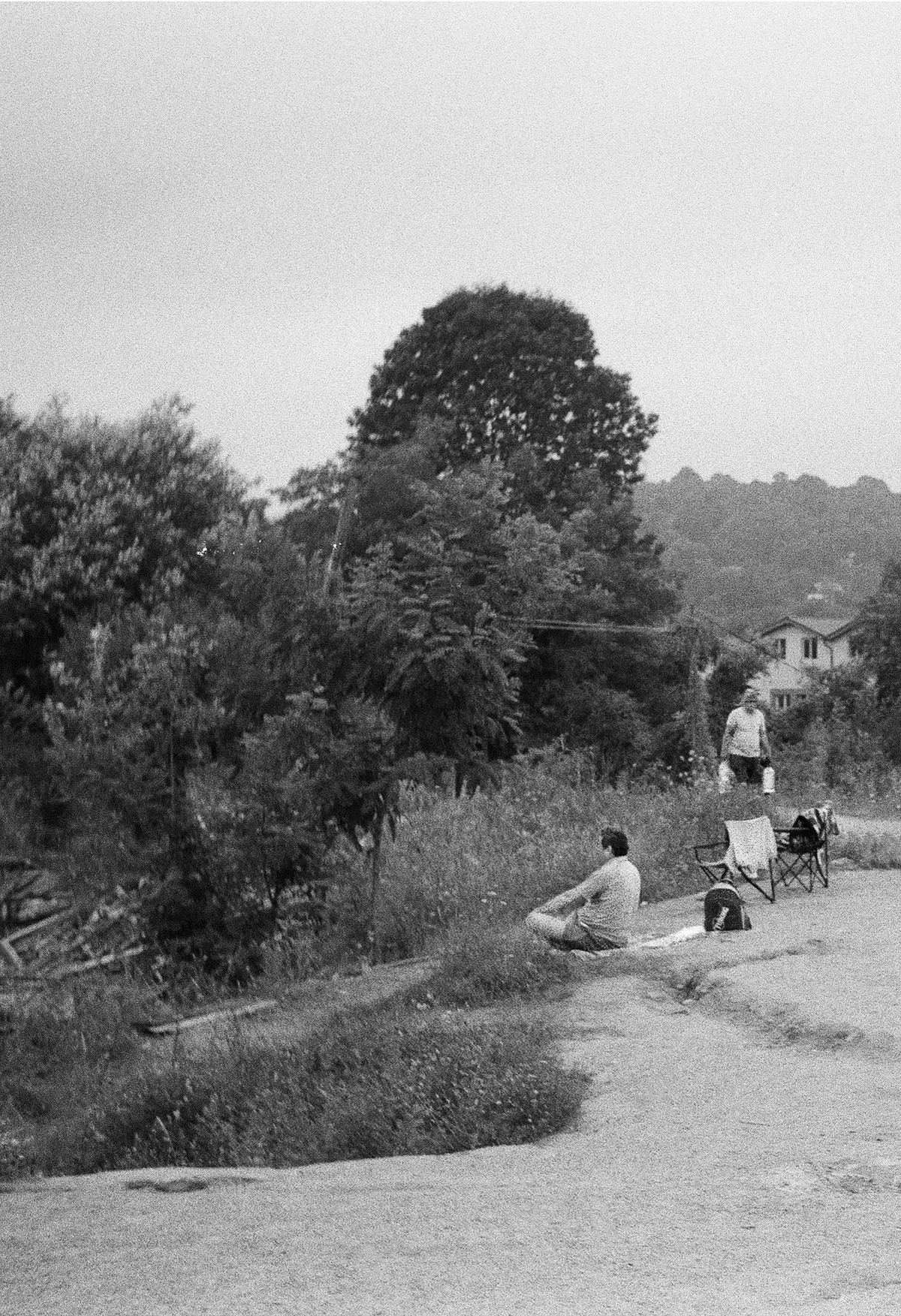
I have been visiting the salt lake at Telega for over ten years. Formerly a declared social catalyst, the lake has since fallen into disrepair following its abandonment. Despite municipal warnings, people, myself included, continue to treat it as a public and accessible amenity. Remarkably, the locals have somehow formed an unspoken agreement to preserve the area, defined by a shared sense of responsibility.
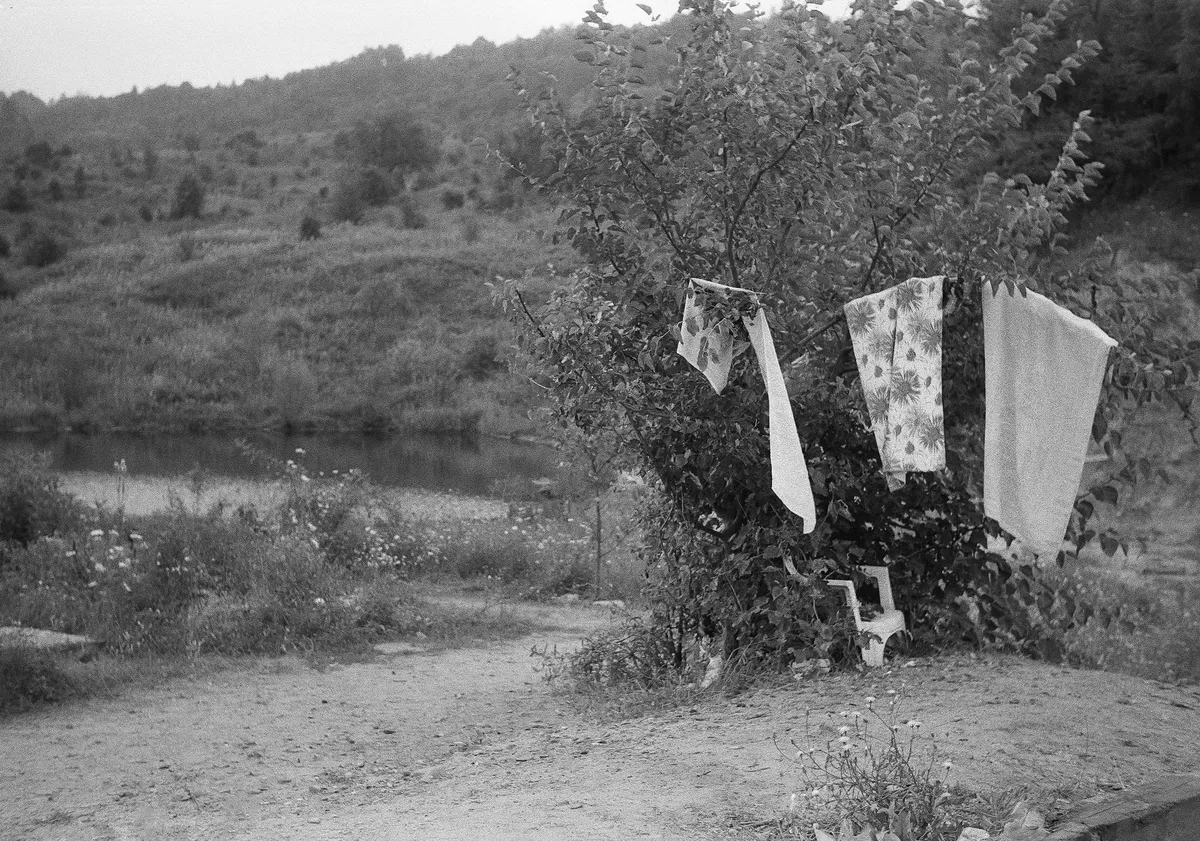
They continuously reinforce access stairs by repurposing old wooden planks, clear paths, organise seating areas, and even replace the batteries in the everlasting clock that times our swims. Rigorous action is indeed necessary, yet the lack of coordination and official recognition led to the general acceptance of minimal, improvised interventions, through gestures of subconscious solidarity. Here, the lake's architecture, or the lack of it, represents nothing but its use and users.
This tacit collective and spontaneous effort, proactively extends the lake's life as a communal space, generating both constructive tension and an organic, cooperative dynamic. I do not believe the people at Telega didn't necessarily set out to form a community; rather, the shared commitment to lake maintenance and the participative process defined this user-shaped environment. This prompts an interesting cause-and-effect question: did the community form around the lake, or did the lake create the community? Perhaps both coincided, driven by the shared imperative to maintain the lake.
Recently, a private investor secured a bid to transform the area into a lavish wellness complex, implicitly targeting different social categories than the local community. The new development would result in a speculative and restrictive facility, segregating local lake users. While the need to stimulate the regional economy is understandable, applying such financial and ownership logic universally can be problematic. For two years now, there have been looming discussions about enclosing the lake, demolishing the ruins, and beginning construction. Thus far no action has been taken.
The four photographs are selected from a broader series, shot on film exactly a year ago. At that time, I feared they might document my last swim before the lake's closure, capturing what I believed to be a final act of resistance. Fortunately, it wasn't so; today, the situation remains unchanged, with the only difference being an old hanging election banner reading “I also care” has fallen.