
1/4
2/4
3/4
4/4
Photography

Author(s) / Team representatives
Martinovic Milos
Descrierea proiectului în limba engleză
The Serbo-Byzantine architectural style was predominant in the 14th century Serbian Late Middle Ages. While modern for its time, Serbian ecclesiastical architecture has seen little innovation since then.
Even though they might look old, all the churches shown in the project were built within the last 20 years (with only the biggest one, Temple of Saint Sava, originally designed in the 1930s, redesigned in the 1980s, but still wasn’t built until 2004). These churches show a complete lack of innovation in the architectural style for the past 700 years, with the Serbian Orthodox Church clearly unwilling to accept any modern stylistic changes, instead sticking to the tradition, just like with its social stances. So far there are no architecturally modern churches in Serbia. Their form and function have remained firmly in the 14th century.
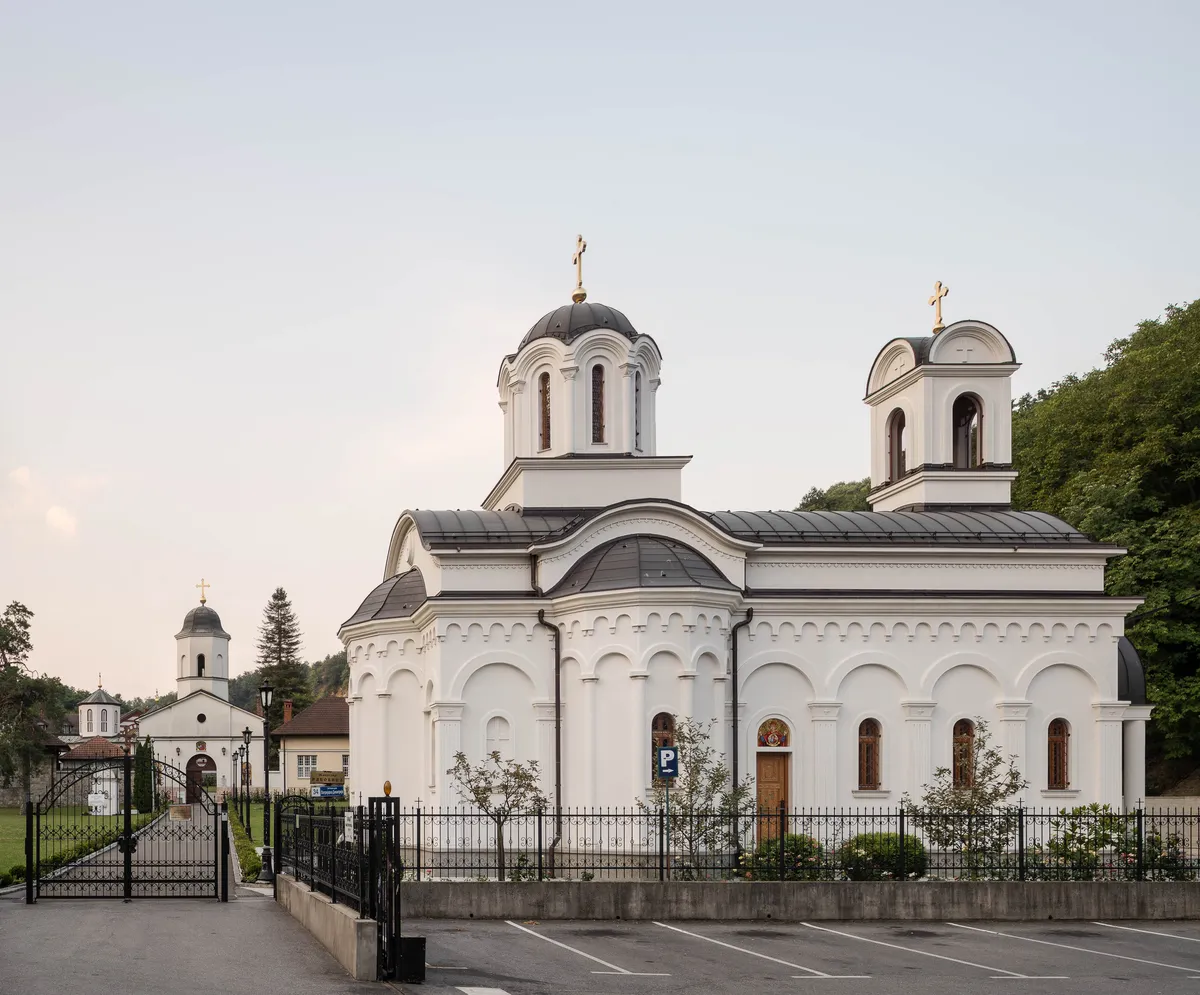
The cover image shows the Church of Saint Nicholas, within the Rakovica monastery in Belgrade, Serbia. Built in 2019, it shares striking resemblance in style to the monastery gate tower seen in the back, built in the 19th century, and to the main monastery church built in the 17th century, seen as the third white tower more to the left.
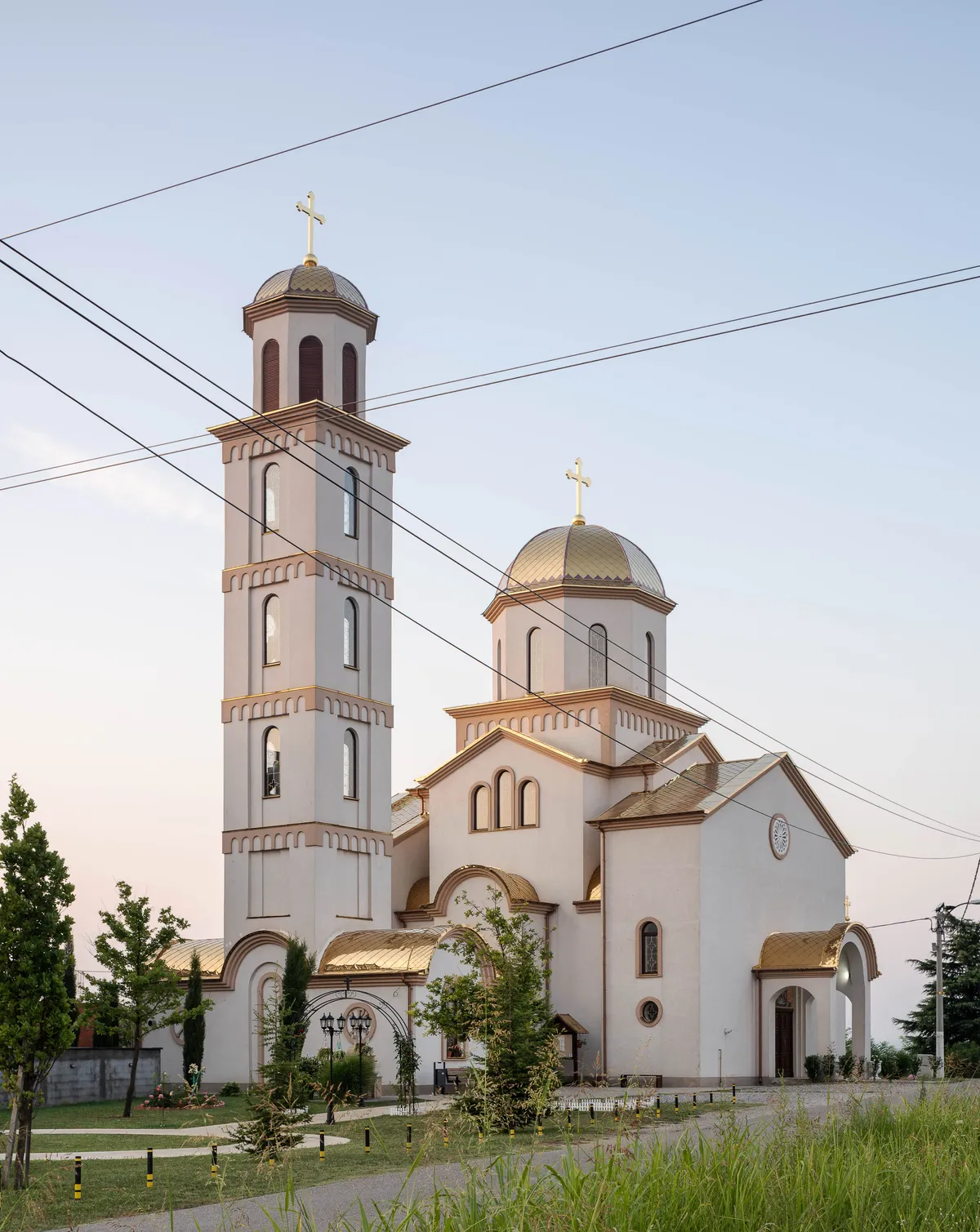
Second image shows the St. Matthew the Apostle Orthodox Church, in Belgrade, built in 2018.
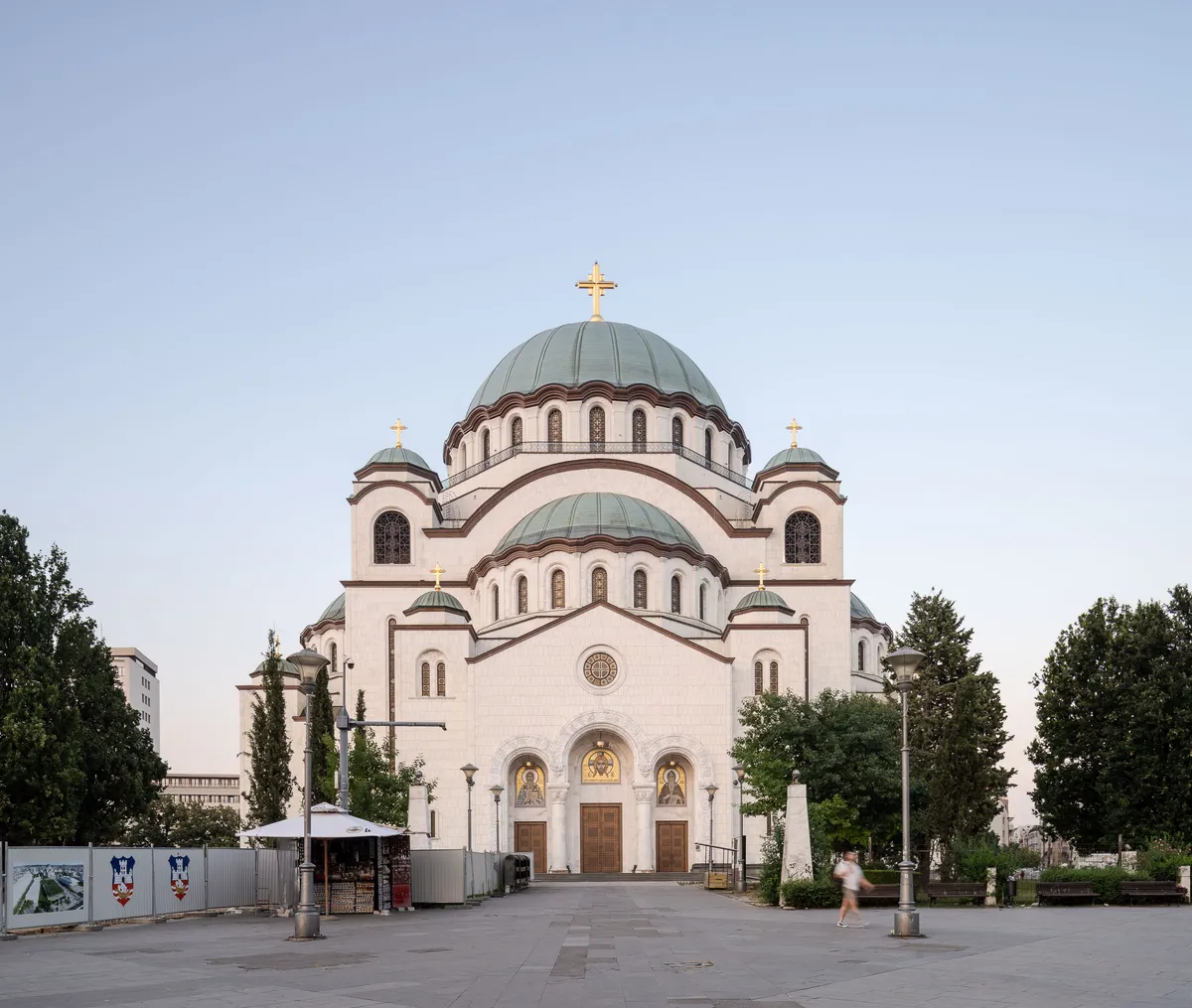
Third image shows the Temple of Saint Sava, the biggest church in Serbia, built in 2004, with its design clearly influenced by the Byzantine church of Hagia Sophia.
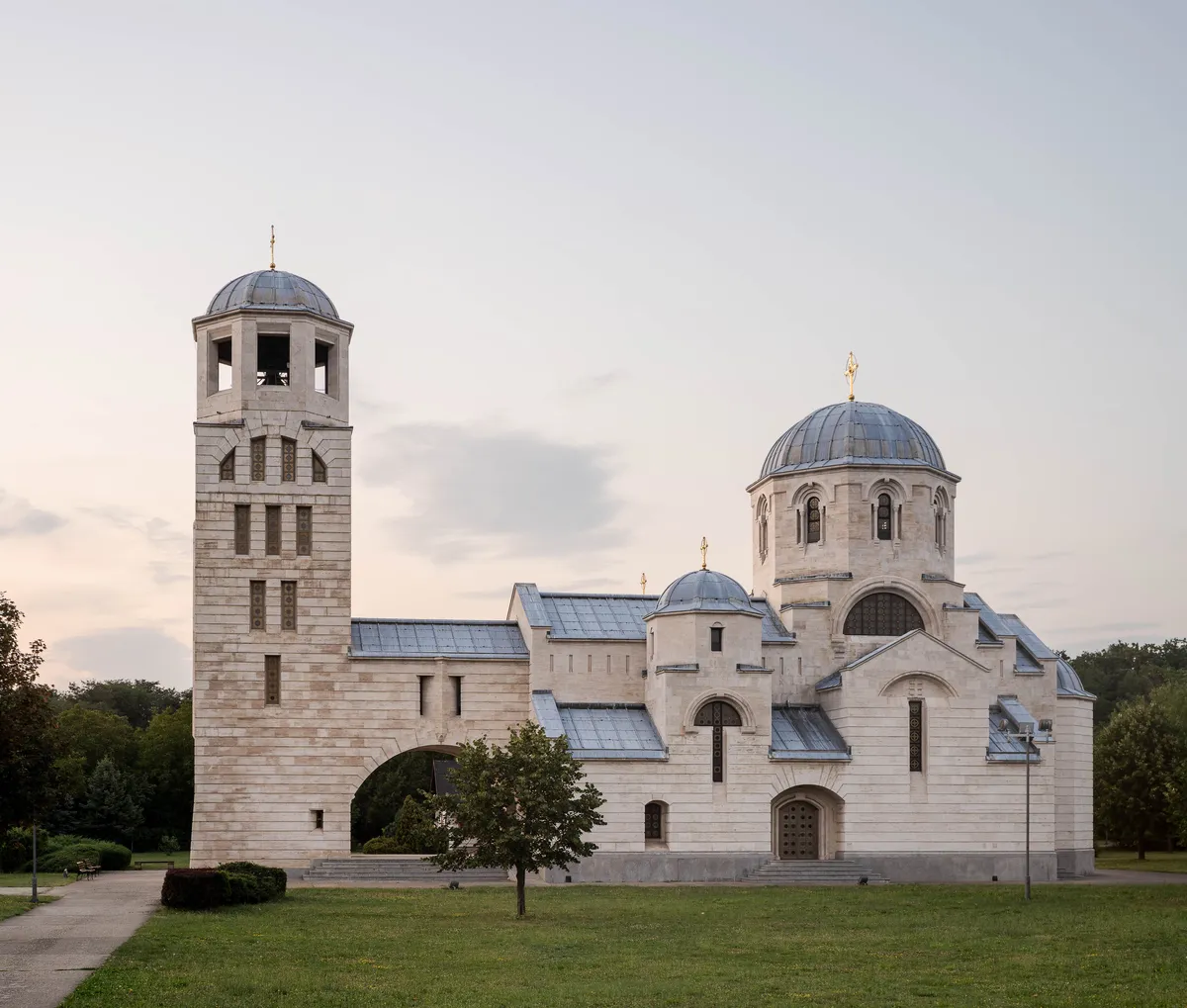
The last image shows the Church of St. Luke the Apostle, built in 2003 in Belgrade.