Text de prezentare a autorului/biroului în limba engleză
At Bánáti + Hartvig Architects design buildings that respect their environment and enhance the quality of their surroundings, respond to developing communities’ aspirations for the future, provide comfortable and healthy living and working spaces, and offer attractive venues for cultural and leisure activities.
Spurred by our commitment to sustainable development, in meeting our clients’ needs, we strive to create future-proof, environmentally friendly and likeable buildings.
Teamwork that builds on the creativity of all our designers provides the foundation of how our design community works. Collective thinking means that our knowledge, experience and values are not just aggregated but multiplied.
Our portfolio ranges from large-scale, complex projects to condominiums and detached houses requiring a personal touch, all designed as the outcome of a professional process to a high architectural quality.
Descrierea proiectului în limba engleză
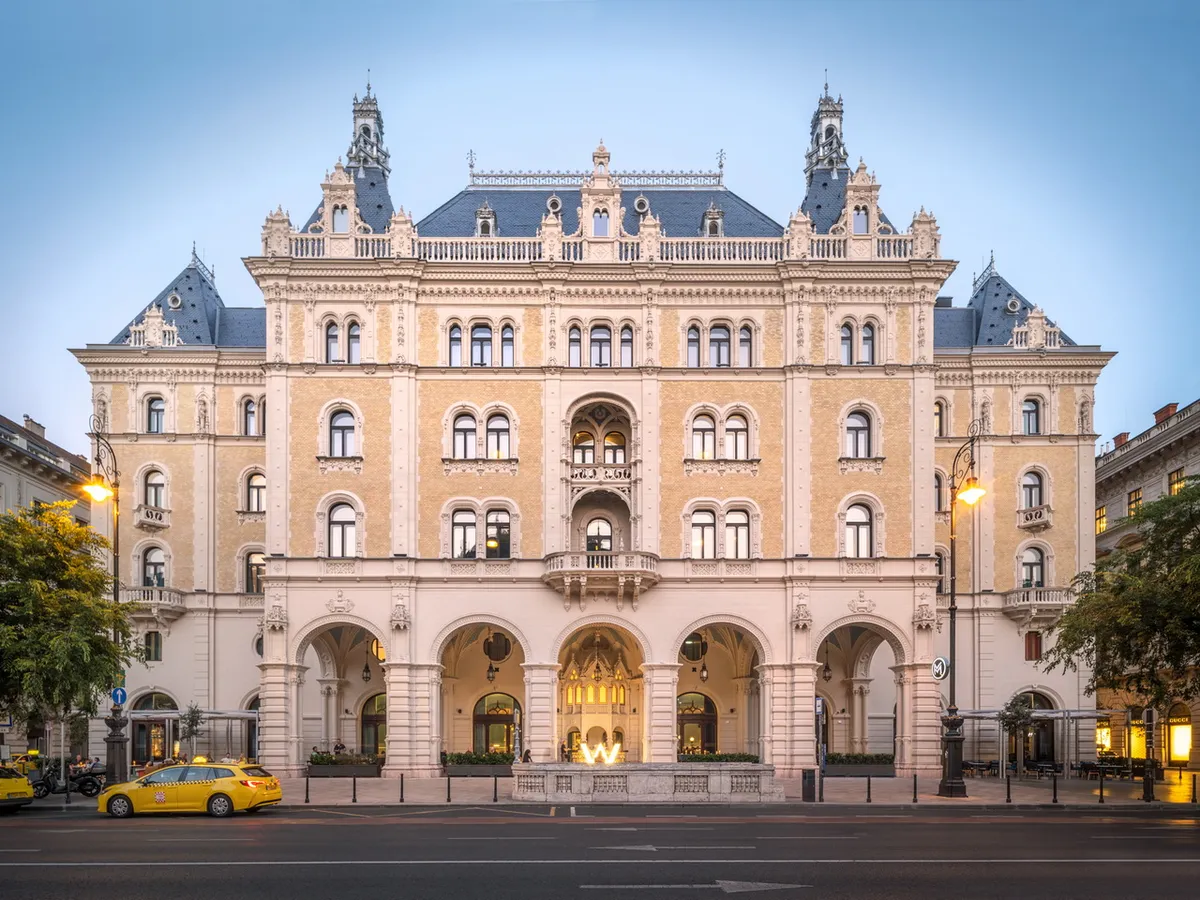
The Drechsler Palace stands as one of Budapest’s emblematic historic buildings, showcasing the stylistic characteristics of the French Renaissance. Constructed in the late 19th century to the design of Ödön Lechner, the palace’s history has been marked by various phases. Unfortunately, in 2002, it fell into disuse, leading to rapid deterioration of its condition. Consequently, the timing for its reconstruction became crucial. Last year, it reopened as part of the W hotel chain.
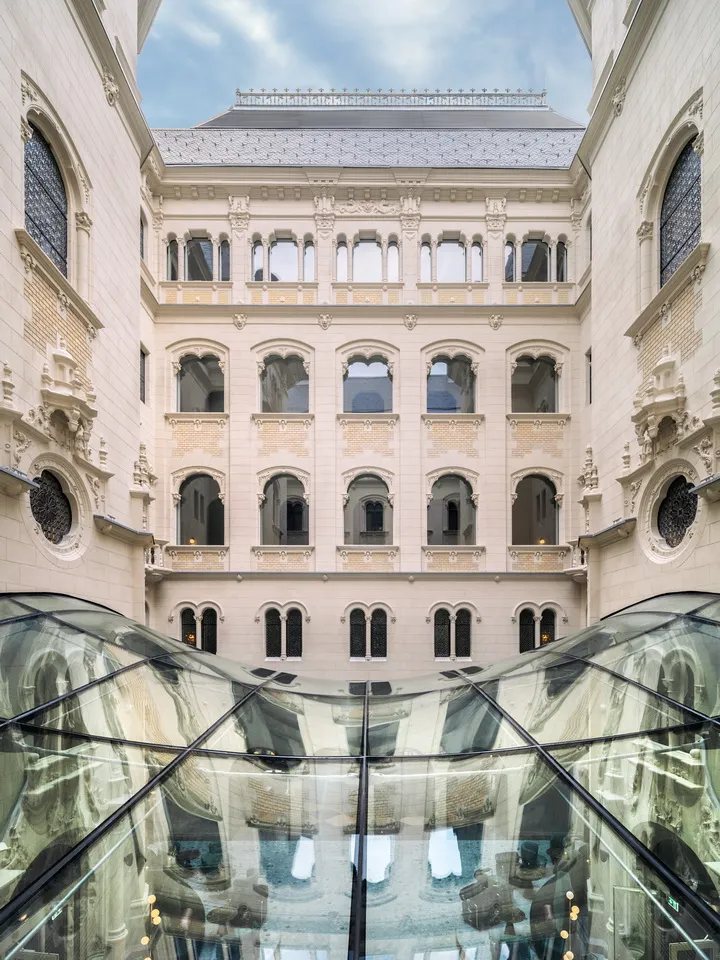
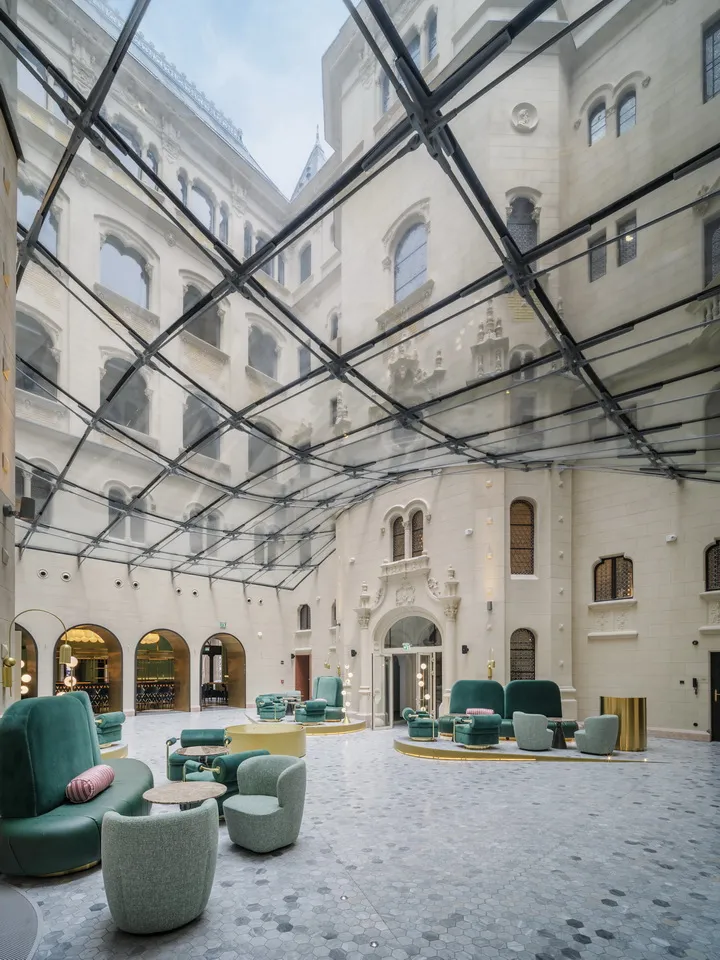
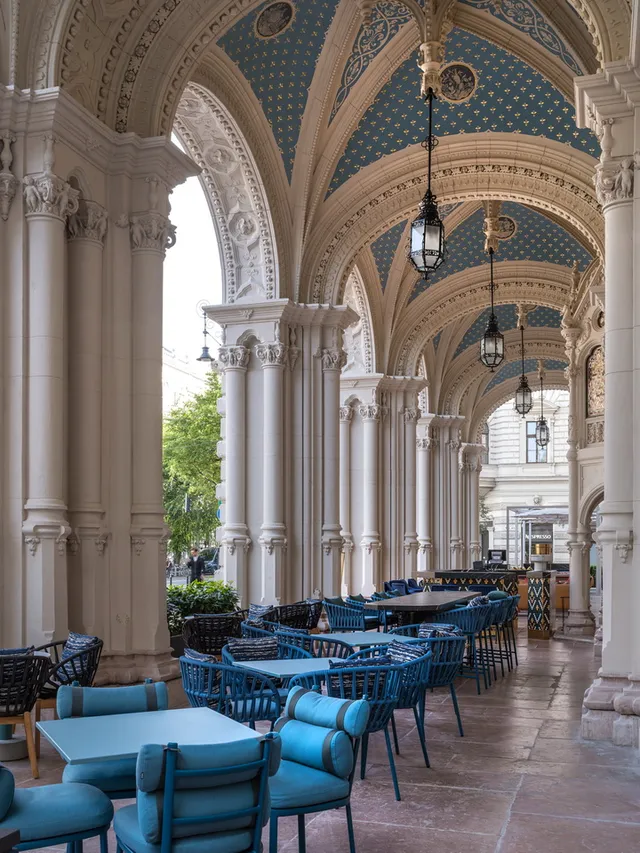
Apart from the primary goal of preserving and reconstructing the building’s architectural merits, the design work aimed to fulfill the expectations of form and technical requirements inherent in a design-oriented luxury hotel. These criteria were interdependent, creating expressions of form that mutually reinforced the historical values and contemporary architectural solutions. In this manner, the building remained faithful to the open, experimental spirit of Ödön Lechner.